
Power Vinyasa
Nivel · IntermedioLevel · Intermediate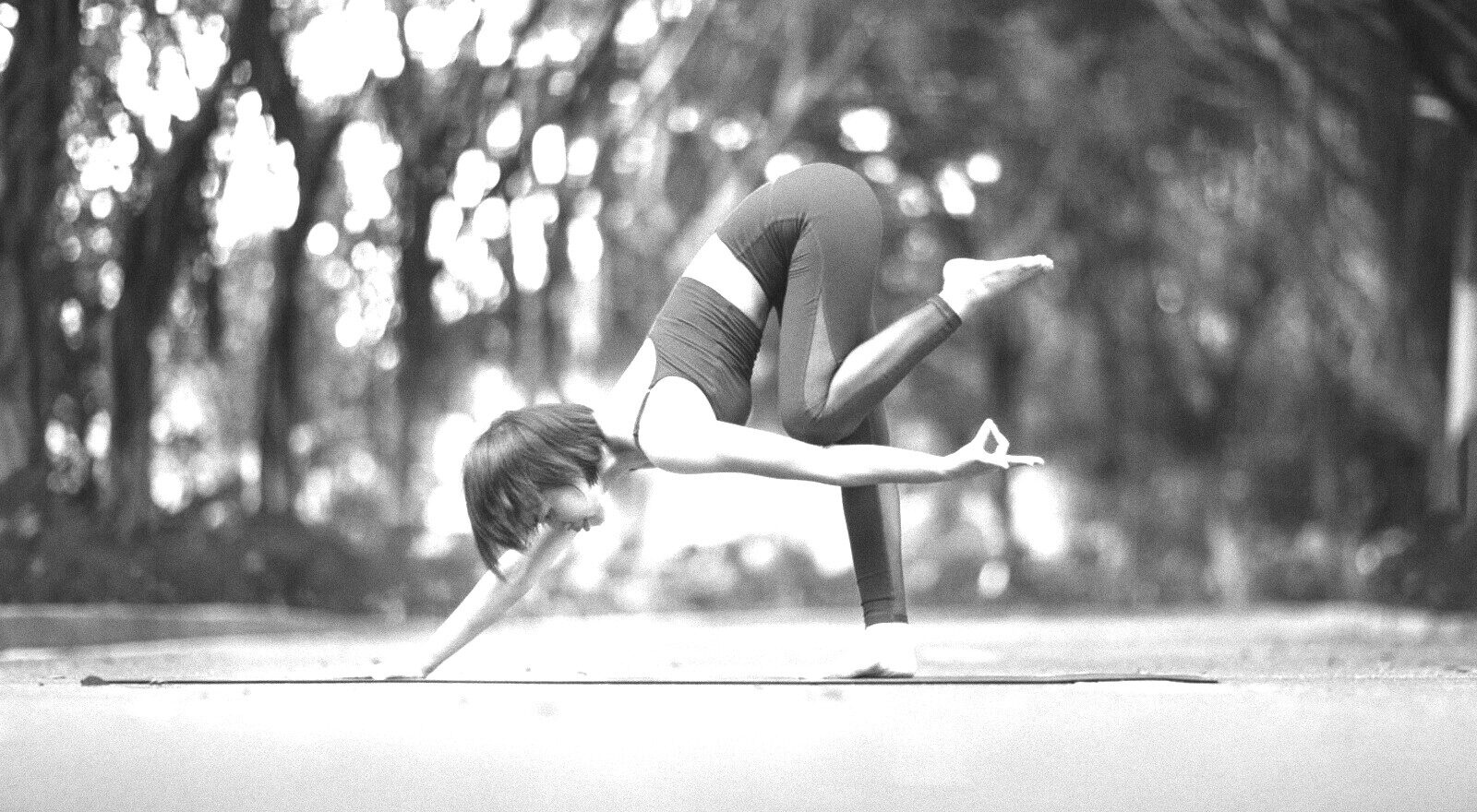
Power Vinyasa es el flow en su versión más intensa. Mismo principio, moverte con la respiración, con la temperatura más alta: las posturas se enlazan sin pausa, el ritmo se sostiene y el cuerpo trabaja de principio a fin. Vas a sudar y vas a acabar cansado.Power Vinyasa is flow at its most intense. Same principle, moving with the breath, with the temperature turned up: postures link without pause, the pace holds and the body works start to finish. You will sweat and you will finish tired.
El calor que construyesThe heat you build
El calor no viene de un calentador. Lo haces tú, con esfuerzo y respiración. Cada inhalación y cada exhalación marcan una postura, y las secuencias se sostienen lo suficiente para que el músculo de verdad trabaje. En sánscrito la idea se llama tapas: el fuego interno.The heat does not come from a heater. You make it, with effort and breath. Every inhale and exhale marks a posture, and the sequences hold long enough for the muscle to actually work. In Sanskrit the idea is called tapas: the inner fire.
La respiración que sostieneThe breath that holds it
Lo que mantiene el ritmo es la respiración ujjayi: por la nariz, con un sonido suave y continuo en la garganta, como una ola que no se corta aunque la postura apriete. Con ella trabajan los bandhas, activaciones profundas del abdomen y el suelo pélvico que te dan fuerza desde el centro y cuidan la espalda en las transiciones más exigentes.What keeps the rhythm is ujjayi breathing: through the nose, with a soft, continuous sound in the throat, like a wave that does not break even when the posture bites. The bandhas work with it, deep activations of the abdomen and pelvic floor that give you strength from the center and protect your back in the harder transitions.
¿De dónde viene?Where does it come from?
El Power Yoga nació en Estados Unidos a mediados de los noventa, con maestros como Beryl Bender Birch y Bryan Kest, los dos formados en el Ashtanga de Pattabhi Jois. Agarraron la intensidad del Ashtanga y le quitaron la serie fija, para poder adaptarla a cada grupo. De ahí salió el Power Vinyasa que hoy se da en todo el mundo.Power Yoga was born in the United States in the mid-nineties, with teachers like Beryl Bender Birch and Bryan Kest, both trained in Pattabhi Jois’ Ashtanga. They took Ashtanga’s intensity and dropped the fixed series so it could adapt to each group. Out of that came the Power Vinyasa taught worldwide today.
Cómo se sienteHow it feels
Trae toalla. El ritmo es constante y el cuerpo no se apaga: posturas de fuerza, equilibrios, transiciones que piden control. La meta no es ir más rápido, es sostener el esfuerzo con la respiración entera. Siempre hay opciones para bajarle, así que trabajas en tu propio límite, y ese límite se mueve solo con las semanas.Bring a towel. The pace is steady and the body never switches off: strength postures, balances, transitions that ask for control. The goal is not to go faster, it is to sustain the effort with your breath intact. There are always options to dial it down, so you work at your own edge, and that edge moves on its own over the weeks.
Qué trabajasWhat you work on
- Fuerza de centro, brazos y piernasStrength in core, arms and legs
- Resistencia, la del corazón y la del músculoEndurance
- Control en el movimientoControl in movement
- Respiración sostenidaSteady breathing
- Cabeza fría en medio del esfuerzoA cool head in the middle of effort
BeneficiosBenefits
- Condición física que se nota fuera del tapeteFitness you notice off the mat
- Fuerza y tono parejos, sin trabajar músculo por músculoEven strength and tone, without training muscle by muscle
- Descargas el día entero en una horaYou dump a whole day in one hour
- Duermes distinto la noche de la claseYou sleep differently the night of the class
- Confianza en lo que tu cuerpo aguantaConfidence in what your body can take
La filosofíaThe philosophy
Detrás de la intensidad hay una intención: usar el esfuerzo como camino. El tapas que enciendes en el tapete también entrena la cabeza para quedarse cuando la cosa se pone incómoda. Eso se transfiere a lugares que no tienen nada que ver con el yoga.Behind the intensity there is an intention: using effort as a path. The tapas you light on the mat also trains your head to stay when things get uncomfortable. That transfers to places that have nothing to do with yoga.
¿Para quién es?Who is it for?
Para quien quiere movimiento, fuerza y un reto de verdad. Ayuda traer algo de experiencia o condición, aunque no es requisito: con las modificaciones adecuadas cualquiera entra y le sube a su ritmo. Si buscas salir cansado y despierto a la vez, es esta.For anyone who wants movement, strength and a real challenge. Some experience or fitness helps, though it is not required: with the right modifications anyone can step in and build up at their own pace. If you want to leave tired and wide awake at once, this is the one.